

You may be wondering what Elsa and Frozen has to do with archives. This topic links into something that I touched on in my previous storytelling blog. I talked in that blog about how archivists need to think about who the correct person is to be telling stories using the records in their collections. I think that most archivists would agree that one of the main aims of preserving records is to provide access to them. However stereotypical views of archivists seem to be at odds with this fact. Do archivists really live up the stereotypes placed on them. Are we more open to collaboration and user-initiated projects and we’re just really bad at telling users this? Or are we somewhere in the middle? I’m attempting to unpack my thoughts on the subject in this blog.
From the archivists I’ve met and worked with and the way I behave myself, I think that in many cases, archivists become very attached to the collections they are working with – to the point that many can claim to be subject matter experts on collections they have catalogued. Although learning in depth about the topic of the collection your cataloguing is not a requirement, many archivists can claim an unusually large level of knowledge about the collections they work with. I’ve definitely gathered some incredibly niche knowledge over the years. However, I would also argue that many of us are over keen to share this knowledge and tell everyone about the amazing records we’ve worked with that day and what we found out. So many archivists career stories start with ‘I love history….’ for a good reason. It’s this enthusiasm that helps us create such detailed catalogue descriptions or find that perfect image for an enticing social media post. So why then, do so many people still consider archivists and gatekeepers and archives as inaccessible to them?
At an event I attended recently, a range of community archivists expressed that they wouldn’t want to give an institution access to the collections they had formed because they would likely never see it again, or their access would be severely restricted. They also worried that an institution would be given a collection which would immediately be shelved and no work done on it as no money was available to catalogue and make it available for research (or for the donator to access it). While it cannot be denied that many archives suffer from lack of funding and this may be the reason that donated collections lie untouched, restricting donator access at this point to me sounds counter intuitive. Wouldn’t it be far better to work with the donator who cared enough to spend their time and energy gathering the collection and preserving it as best they can for their community, to make the collection accessible. It should also be noted that although we can learn and become experts on collection contents, this is no substitute for lived experience from people involved in the collection topic in some way.
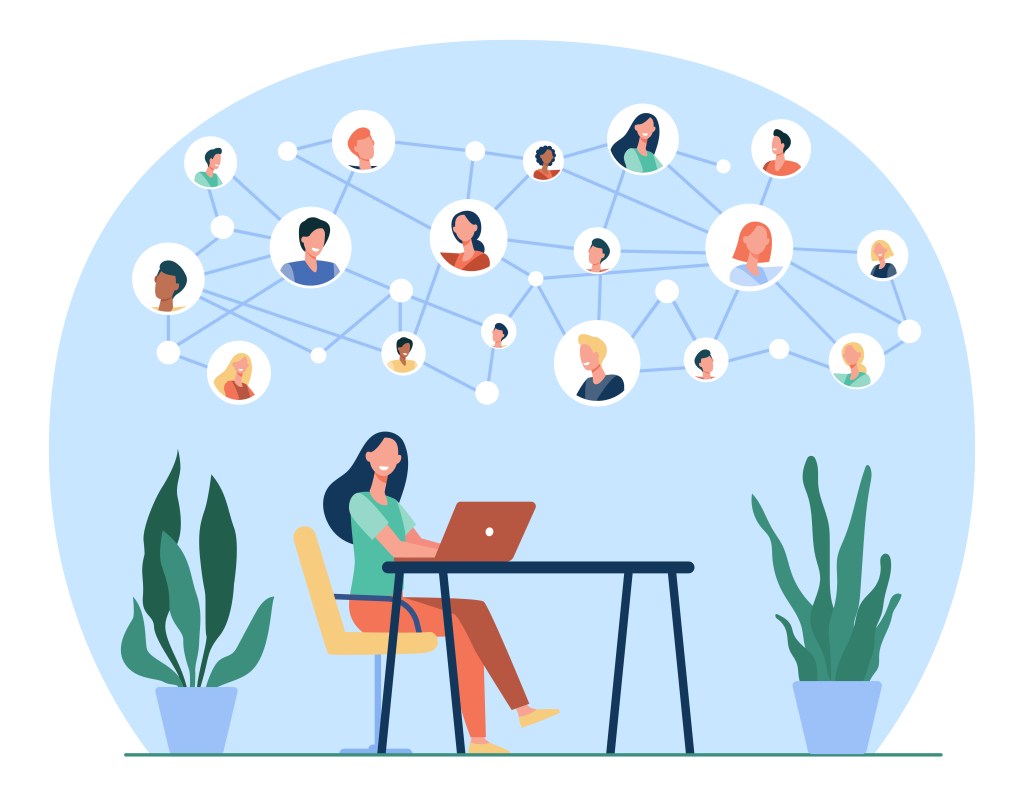
If an archivist’s job is to collect, preserve and make available, in many cases, community archives have done the collecting for us already. In these cases, if the community archive is willing to work with an institution, could the archivist’s role move to preservation and access facilitation? For example, providing a cataloguing process document and support to the community archive so they can use their expertise to catalogue the collection would be beneficial for everyone. The collection could then be donated for permanent preservation with the collaborating institution, who can also help to facilitate access. For this to work, there would need to be changes in the way archivists view who can access their collections – if a community archive is doing all the work to catalogue a collection – we can’t then restrict their access to that collection. If the archive is open, access should be provided. Donor agreements can help both parties document what they need for the arrangement to work and if agreement is possible, far more collections could not only be preserved in appropriate conditions, but also accessed by a wide range of users. I know that ideally someone would be paid to do this work (funding will be a topic covered in future blogs) but in cases where this isn’t possible, if a community archive is already creating a list of the record they have, surely archivists at institutions could support in turning that list into a sector compliant catalogue? I’ve never heard of an arrangement like this in practice but would love to be proved wrong so if you already do something like this please do get in touch.
Although archivists do want collections to be accessed, I think sometimes we are too focused on controlling how that access works. Yes, we need safeguards and procedures in place to preserve records but if the records never make it make it to the archive they won’t be preserved or accessed anyway. The main aim is for records to be used so it may be that a case-by-case approach is required to collection acquisition and access. Even though the thought of this makes me a bit anxious, but I think it’s time to challenge ourselves to do what’s best for the communities we serve as well as the records in our care. In many cases one wouldn’t exist without the other and we should be making the most of these connections to help improve access in ways that we can’t do on our own.
The role of the archivist is changing, in my opinion for the better and we should be using our expertise for the good of the communities around us and the stories they have to tell. Even if that does mean letting go a little bit.
 The Un-Accessioned Archivist